


It Will Never Work Here: Why MLS Can Work Anywhere If You Build It Right
 by
by Check this post on LinkedIn Watch Video
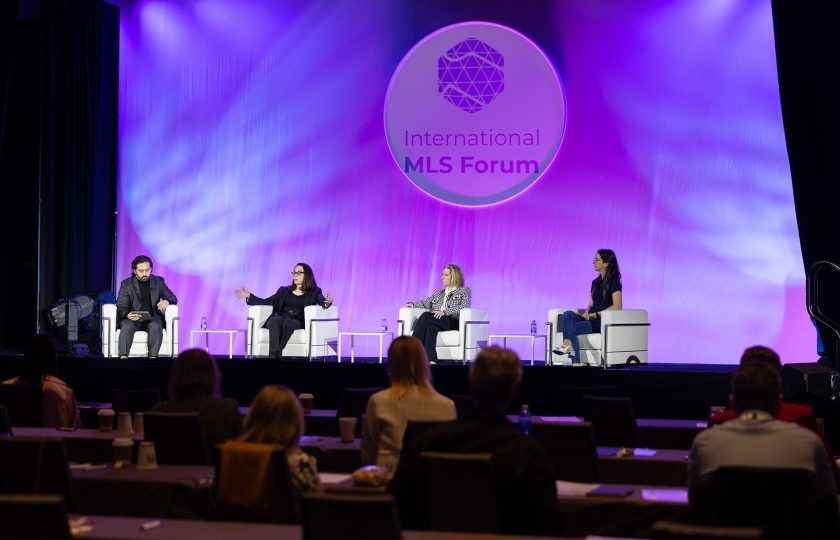
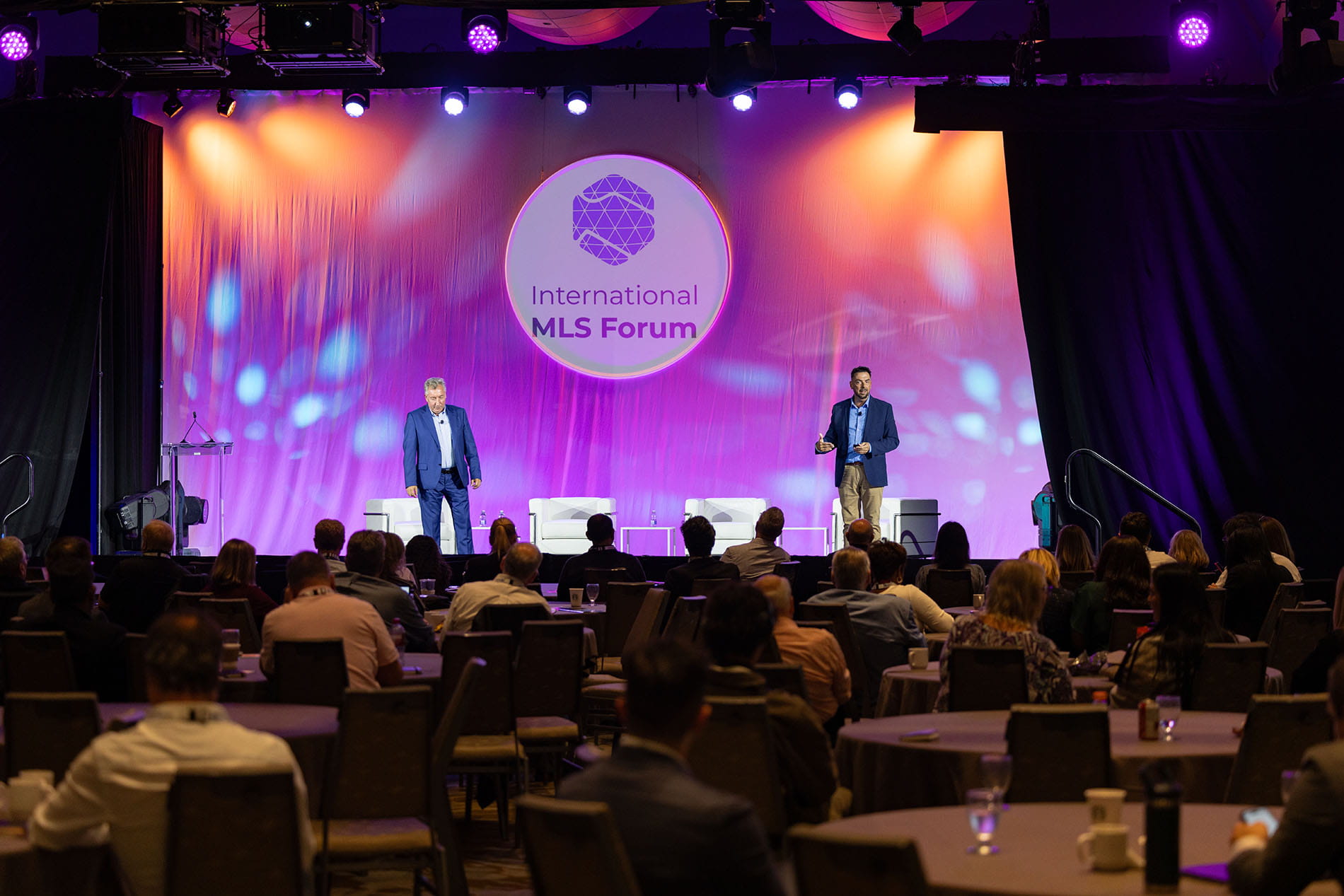
This session skipped the formal panel format and went straight at the line everyone hears when trying to modernize real estate markets:
“It will never work here.”
Zola Szerencses and Dan A. Negulescu argued the problem usually isn’t MLS—it’s what people think an MLS is.
The core misconception
In many countries, MLS is used to describe a portal or a listings website. But:
- An MLS isn’t software
- An MLS isn’t a website
- An MLS is a market structure built on rules + cooperation + trust
- And most importantly: an MLS is data
If you launch “MLS software” with no data, the market will treat it like just another tool—without value.
Why it’s hard internationally: culture + legal framework
They highlighted two common roadblocks.
Cultural norms
In parts of Europe—especially post-communist markets—real estate as a modern, cooperative industry is still “young.” Collaboration and trust between agents aren’t default behaviors.
Bottom-up markets
Unlike North America’s more “top-down” structure (rules → enforcement → compliance), many markets are “bottom-up”:
- weak licensing
- inconsistent standards
- little enforcement
They also pointed to a major gap in many markets: people confuse representation (serving one party’s interest) with intermediation (the middle prioritizing themselves).
Why standards matter (RESO)
Dan emphasized that global progress depends on shared standards—RESO helps markets avoid reinventing incompatible “local standards” and enables healthier data exchange long-term.
The Romania lesson: no exclusives = no MLS data
In Romania, Dan explained, a huge share of listings were effectively for-sale-by-owner, so waiting for “exclusive agents” to feed MLS data wasn’t realistic.
Their solution was unconventional but effective
They built a call center to contact sellers, collect structured property details (beds, baths, size, etc.), and—with consent—enter listings into the MLS so agents finally had inventory to work with.
That unlocked adoption and, over time, created something extremely valuable:
years of real market history—pricing intelligence, stats, and trust-building transparency.
The missing ingredient: education
Even with data, they stressed education is what sustains MLS—exclusive representation, ethics, accurate entry, and “what’s in it for me” value for agents and consumers.
They closed with a simple idea:
Build trust, build data, educate the market, and adapt the model locally—don’t copy-paste.
And the line that summed it up:
“When one market builds better, every market lifts higher.”