

Innovation in Latin America: Building Trust, Transparency, and the Future of MLS
 by
by Check this post on LinkedIn Watch Video
Latin America is one of the most diverse and opportunity‑rich real estate regions in the world. At the same time, it faces unique challenges around transparency, trust, data standards, and cross‑border collaboration.
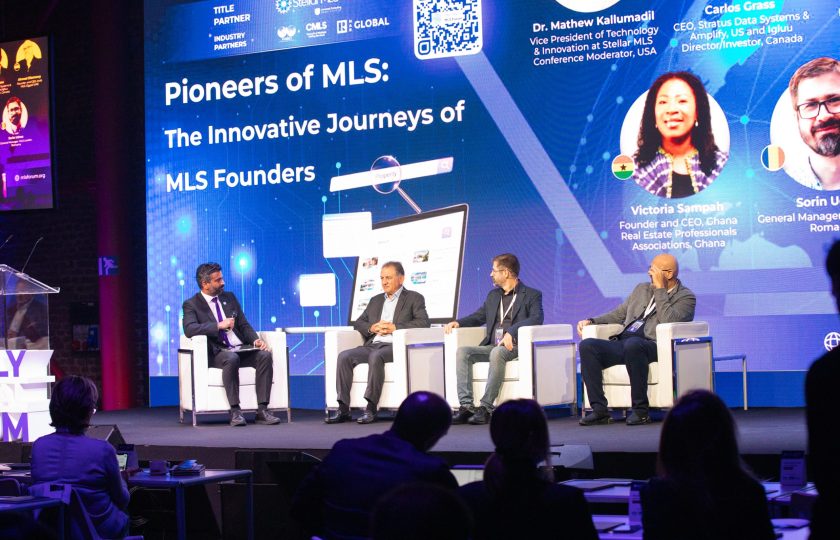
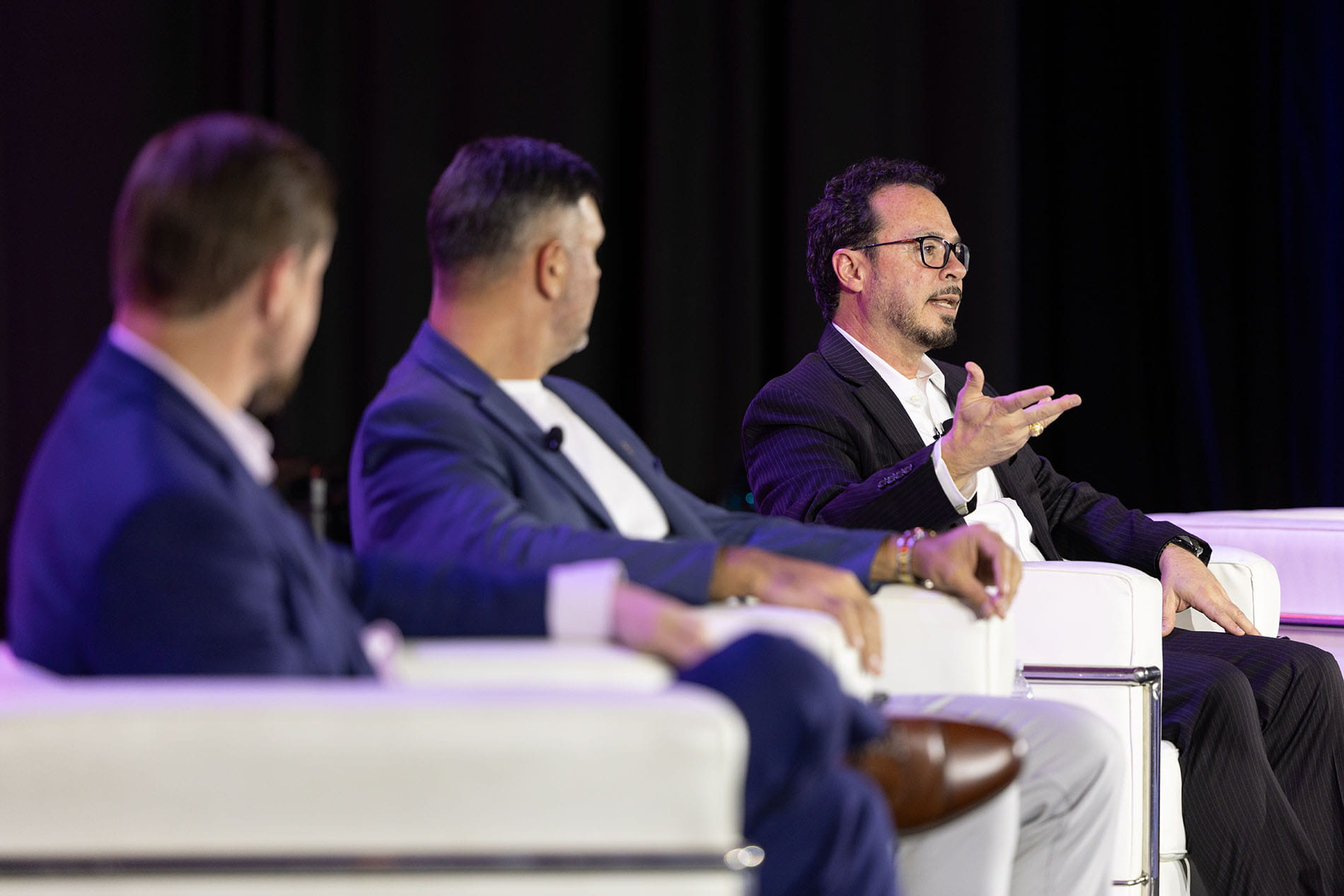
During the Innovation in Latin America panel at the International MLS Forum, industry leaders shared firsthand experience on how MLS concepts, technology, and education are reshaping real estate markets across the region.
A Region of Opportunity—and Complexity
Opening the session, Shayne Fairley highlighted Latin America’s vast diversity: different legal frameworks, market maturity levels, and cultural approaches to real estate. While innovation is accelerating, many markets still lack the infrastructure and shared standards that enable cooperation and consumer trust.
The panel focused on how MLS principles, when adapted thoughtfully to local realities, can help bridge these gaps.
Omni MLS: Bringing Organized Real Estate to Latin America
Ross Buck shared the origin story of Omni MLS, which was born out of frustration—and opportunity.
Coming from the United States, Ross experienced firsthand the stark contrast between highly organized MLS markets north of the border and fragmented systems in parts of Latin America. That disconnect became the catalyst for building an MLS designed specifically for the region.
Today, Omni MLS:
-
Operates with active listings across 19 Latin American countries
-
Aggregates data into one unified MLS database
-
Connects Latin American markets with 15 major MLSs in the United States
-
Enables agents to act as global real estate professionals, not just local ones
This structure allows agents in one city or country to confidently advise clients on properties across borders, using standardized, reliable data—even in markets they may never have visited.
Transparency and Trust: Why MLS Matters
One of the biggest challenges discussed was the dominance of open listings in many Latin American markets. Properties are often duplicated across portals, listed at different prices, and attributed to multiple agents—creating confusion for consumers and undermining trust.
Ross emphasized that:
-
MLS is not just software—it is organized real estate
-
Rules, ethics, and cooperation are just as important as technology
-
Verified sales data exists only within MLS environments
By working closely with real estate associations, Omni MLS combines codes of ethics with MLS rules to create a system where consumers can trust the information they see and the professionals they work with.
Brazil’s Perspective: Collaboration Before Technology
Christiano Oliveira provided insight into Brazil, one of the region’s largest and most complex markets—where MLS does not yet exist as a standard practice.
Drawing from his background in international mortgage and cross‑border transactions, Christiano explained that Brazil’s biggest challenge is not technology, but collaboration.
Key realities include:
-
Brokers operating in isolated systems and CRMs
-
Limited data sharing across firms
-
Low transparency and inconsistent standards
To address this, BnTouch was created as a global collaboration platform, designed to:
-
Connect agents across countries in a secure environment
-
Support education and market understanding
-
Enable referrals, tracking, and compensation transparency
-
Build trust before introducing formal MLS structures
As Christiano noted, innovation is not just about tools—it’s about creating relationships that allow business to happen naturally.
Education, Adoption, and Cultural Change
Both speakers emphasized that MLS adoption happens in waves, not overnight.
Ross shared that one of the earliest challenges was helping markets understand that a portal is not an MLS. Education remains essential, with Omni MLS running regular training sessions to help agents understand the value of organized real estate.
Christiano echoed this, stressing that education is foundational to trust—especially in markets without a long MLS culture. Platforms, certifications, and shared learning environments are critical to long‑term success.
Technology and AI: Practical Innovation with Purpose
Looking ahead, the panel explored how emerging technologies—particularly AI—are accelerating adoption and improving efficiency.
Highlights included:
-
AI‑powered mobile tools allowing agents to scan properties and auto‑populate MLS listings
-
Instant creation of floor plans, virtual tours, and structured data
-
Consumer‑facing AI tools that reimagine property images and layouts
-
Referral‑tracking platforms that support truly global real estate collaboration
These innovations reduce friction for agents, enhance consumer experience, and reinforce the value of MLS as a trusted data source.
The Role of Standards in Global Innovation
In closing, Shayne Fairley emphasized the importance of data standards, highlighting RESO’s Common Data Model as a foundation for global interoperability.
Without shared standards, innovation remains fragmented. With them, markets can connect, scale, and learn from one another—accelerating progress across borders.
A Shared Message for Emerging MLS Markets
The panel concluded with a clear message to leaders considering MLS development in their countries:
-
An MLS is a style of real estate, not just software
-
Trust, education, and shared values must come before technology
-
Progress requires patience, persistence, and collaboration
Latin America’s innovation story is still being written—but as this panel demonstrated, the building blocks are firmly in place.