


Emerging MLS Markets
 by
by Check this post on LinkedIn Watch Video
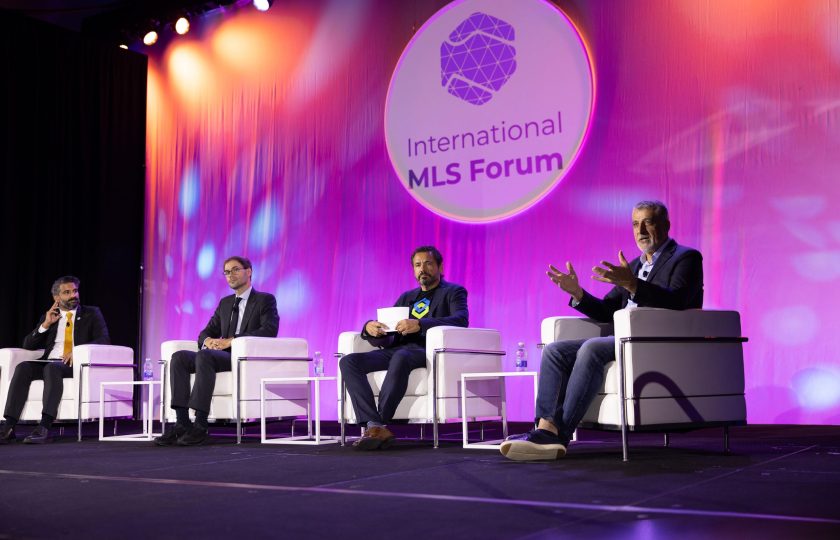
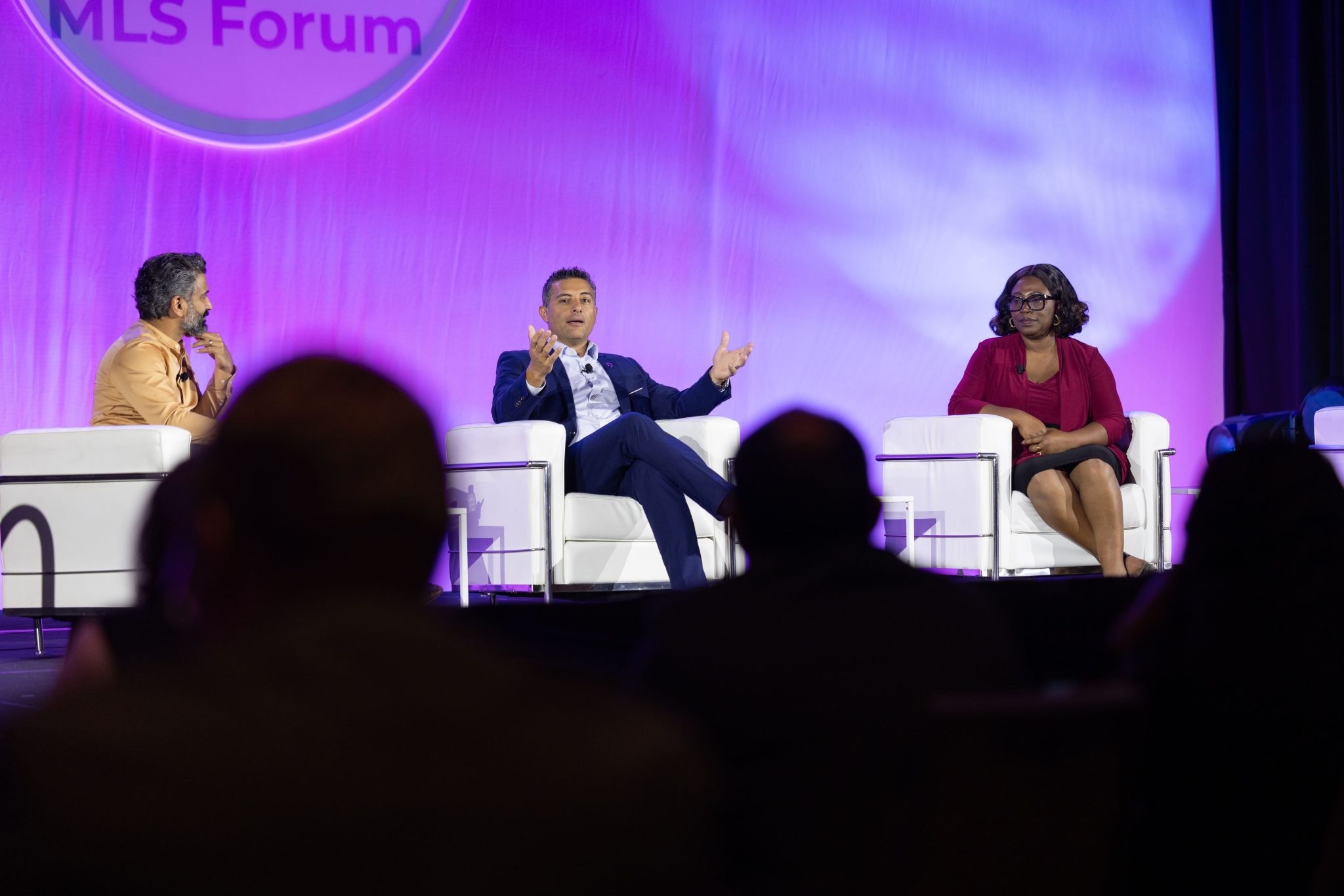
Some panels feel like a peek into the future. The Emerging MLS Markets session at the International MLS Forum felt more like meeting real estate superheroes—the kind who don’t wait for perfect conditions, but build the conditions needed for an MLS to exist.
On stage were two leaders with very different “origin stories,” but the same outcome: creating structure, trust, and marketplace transparency where it didn’t exist before.
Two markets. Two paths. One shared mission.
The panel explored a core truth repeated across the forum: you don’t “install” an MLS into a country—you build a foundation that makes an MLS possible.
That foundation often includes:
- education
- professional standards
- trust and cooperation
- rules, governance, and licensing
- technology that fits local realities
In this session, those ideas came alive through Ghana and Portugal.
Ghana: Education lit the spark—then the foundation came first
Victoria Sampah, originally from Ghana and trained in the U.S. real estate system, described how her work began with inspiration—and quickly turned into nation-building.
She shared how moving to Chicago and experiencing a structured MLS-driven market changed her perspective. Her first home purchase, guided by a Ghanaian agent in the U.S., showed her what real estate could look like when systems work: process, clarity, and professionalism.
With time, she expanded into different real estate disciplines—residential, commercial, corporate real estate—and continued investing in education to match her ambition.
But when she returned to Ghana with a vision to teach, reality forced a strategic shift:
“Education was the vision—but the association had to come first.”
In Ghana, the missing piece wasn’t just training. It was structure—a professional core that could support standards, collaboration, and eventually data.
So she pivoted:
- Built a professional association by reaching out directly to market participants
- Positioned it with clear member value, learning from past association failures
- Worked with government alignment at the right moment—when real estate licensing legislation was being reviewed
A turning point: real estate licensing in Ghana
With support from international partners and direct engagement, the licensing effort progressed until it became law:
- Ghana’s real estate licensing bill became an Act of Parliament in 2020
- The professional association was recognized within the act
From there, the growth accelerated:
- The association expanded to ~400–500 members
- Education continued through international designations and training programs
- And critically: the market now had the foundation needed to launch an MLS as a real marketplace for cooperation and verified inventory
Victoria also highlighted how events like the Africa Real Estate Conference and Expo strengthened networking, technology awareness, and international connectivity—fuel for emerging markets building modern real estate ecosystems.
Portugal: Frustration triggered the build—then governance followed
Sergio Juvencio brought a different storyline: one that started not with education, but with a hard reality check.
After more than two decades working with MLS systems in the United States, he began investing back in Portugal and discovered something familiar to many emerging markets:
- limited collaboration
- low trust
- no shared structure
- cooperation happening through WhatsApp, texts, and email
- and professionals operating without consistent standards
The first attempt: “Let’s bring an MLS from the U.S.”
Sergio initially tried to partner with established MLS organizations in the United States—but at the time, he found no appetite for international expansion.
So he did what many builders do when told “it can’t be done”:
“Fine. I’ll build it.”
He described a costly, difficult, hands-on journey:
- early vendor failures
- building teams (learning that smaller teams can outperform large ones)
- developing a working MLS platform ready for rollout
But the biggest lesson came after the technology was ready.
You can’t build the roof before the foundation
Portugal’s barrier wasn’t only technical. It was governance:
- minimal licensing requirements
- very fast entry into the profession
- wide variation in professionalism
- and market incentives that benefited from confusion
So he stepped back and built what he needed first.
The Portuguese Association of MLS
Not designed to compete with existing associations, but to create MLS rules, standards, contracts, approvals, and consumer-first governance.
His point was simple and powerful:
The MLS must exist for the benefit of the consumer—because the consumer funds the market.
Technology built for trust: scheduling, verified offers, and transparency
Sergio also showcased what makes his MLS vision stand out: technology that directly targets trust gaps.
AI-powered scheduling inside the MLS
Instead of relying on third-party showing platforms, the MLS includes an integrated scheduling engine:
- agent calendar awareness
- route/time optimization across multiple showings
- future expansion: recommending similar properties the agent may have missed
The goal: reduce admin chaos, increase efficiency, and keep sensitive showing activity data controlled inside the MLS ecosystem.
Blockchain-backed offer transparency
In markets where multiple offers are common, he raised a critical question:
Who guarantees every offer is truly presented?
His MLS aims to provide proof:
- offers recorded immutably
- visibility limited to transaction parties (not public)
- permanent verification trail for seller, buyer, and both agents
The purpose isn’t hype—it’s accountability.
The shared lesson: emerging markets don’t need “MLS software”—they need MLS foundations
Despite different paths, Ghana and Portugal landed on the same truth:
Structure creates trust. Trust enables cooperation. Cooperation makes an MLS work.
Whether the first move is education (Ghana) or technology (Portugal), both leaders emphasized that an MLS requires:
- legitimacy and governance
- standards and contracts
- licensing or professional qualification frameworks
- and a cultural shift toward collaboration
Why this panel mattered
This session wasn’t theoretical. It was proof that:
- MLS growth outside North America is real
- it’s happening through pioneers willing to build the hard parts first
- and the next wave of MLS markets may leap forward by combining governance + standards + AI-driven tools in ways established markets are only beginning to explore
If you’re building in an emerging market, this panel delivered the most practical takeaway of International MLS Forum:
Start with what your market lacks most—and build forward from there.
Because superheroes don’t appear after the system exists.
They appear when the system doesn’t.