


Local, Legal, Language: Why “Going Global” Starts with Getting Local
 by
by Check this post on LinkedIn Watch Video
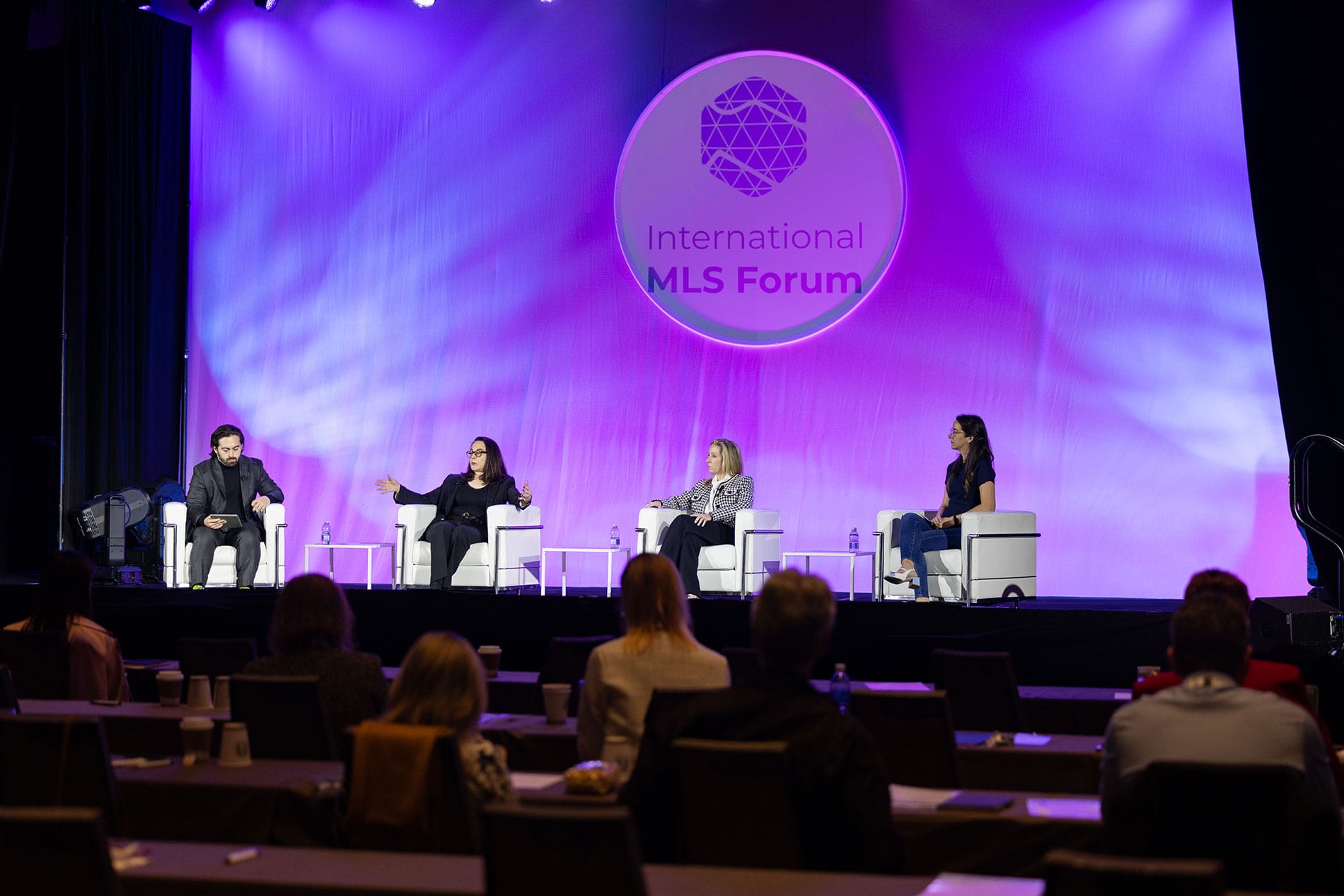
At the International MLS Forum, one message kept coming through loud and clear: real estate is local—but the forces shaping transactions are increasingly global. The Local, Legal, Language panel explored why local experience still matters most, and how technology, standards, and smart localization strategies help real estate professionals compete internationally without losing their local edge.
The session was moderated by Andrew Coca (Modern.tech), joined by three voices deeply involved in global real estate enablement:
- Janet Choynowski — Immobell Global Real Estate, building multilingual, localized portals and referral networks across borders.
- Colleen Doyle — National Association of REALTORS®, representing .realtor / .realestate digital branding and website tools.
- Denise Esteves Zorbaz — representing SNPI (France’s major real estate association), focused on helping members grow locally and globally—supported by legal services and technology partnerships.
Local experience is the true global strategy
The panel framed a key reality: international buyers don’t come to you to test your knowledge of their country—they come because you’re expected to be the trusted local expert.
That means your global ambition works best when your local credibility is strong:
- market trends
- neighborhoods + amenities
- cultural buying expectations
- how the process works in your location
This is why “hyperlocal” positioning isn’t optional—it’s the foundation of going global.
Legal clarity is part of local trust
Denise made a strong point: you can’t build a secure marketplace without legal foundations—just like you can’t build a house starting with the roof.
At SNPI, legal support isn’t a bonus feature; it’s core:
- daily legal guidance for members
- practical support for real problems agents face
- a safer environment for consumers and professionals
If an MLS or data ecosystem is going to scale globally, legal confidence must be built locally first.
Language means two things: human language + data language
This panel did something important: it treated “language” as both.
Spoken language (French, English, etc.)
Yes, AI helps translate listings fast—but one speaker said something that matters for real deals:
You can translate words, but you can’t fully translate the feeling of what a buyer wants.
That’s why the panel emphasized: human support + localized communication still matters, even in an AI-first world.
Technical language (data standards)
The technical language across MLSs, portals, and platforms is just as critical—and this is where RESO and standardization become the bridge.
The takeaway: standardized data makes “global” possible, because systems can finally speak the same language reliably.
The SEO trap: “Translate” is not the same as “localize”
One of the sharpest insights came from Janet:
Adding Google Translate to your website can help visitors after they find you—but it does not help them find you in the first place.
If someone searches in Japanese, Google Japan is unlikely to rank an English-only website just because it has a translating widget.
So if your goal is international visibility, you need:
- localized pages, localized keywords
- multilingual SEO strategy
- content written for that language market (not only translated)
“Too local” doesn’t exist (if you structure it right)
Colleen explained localization like a strategy stack:
- A broad, high-intent local brand (ex: “Toronto Real Estate”)
- Plus specific neighborhood depth (ex: “Harbourfront Real Estate”)
- All tied into one coherent online identity
The point: you can go very local and scale reach—if your site architecture and content strategy connect the pieces.
RESO certification as a global accelerator
Denise shared SNPI’s experience becoming RESO-certified (a major milestone for global interoperability). The big idea: global expansion needs a common data language.
And beyond certification, SNPI’s approach to tools was practical:
- test platforms with members
- gather feedback
- partner with the best vendors (often with discounts)
- avoid “we’re #1” marketing claims without real proof
AI isn’t replacing the professional—it’s upgrading the ecosystem
Janet shared a powerful example from the referral side: with enough data, AI can stop being “reporting” and start becoming “predictive.”
By mining referral history, the platform can identify signals like:
- what makes a referral succeed
- who is statistically most likely to close business with whom
- what behaviors correlate with faster outcomes (response time, listing completeness, etc.)
That’s where AI becomes a matchmaking engine, not just automation.
Closing message from the panel
Localization is differentiation.
If you want international reach, you need:
- strong local credibility
- legal foundations that build trust
- language strategies that include SEO and culture
- standardized data (so systems connect)
- and AI used thoughtfully (to enhance the experience, not fake it)
In short: the world is connected now—so being local is how you earn the right to be global.