



Building Trust Through Information Marketplaces
 by
by Check this post on LinkedIn Watch Video
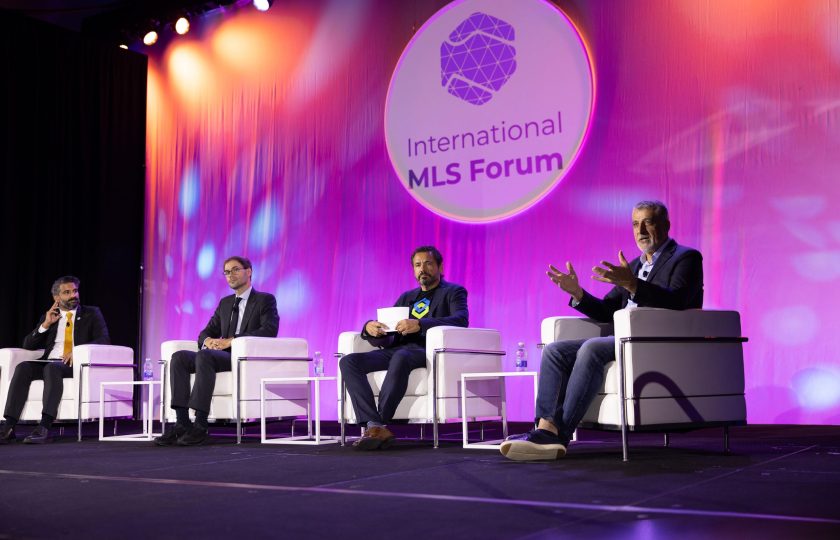
At the third International MLS Forum in Toronto, Sam DeBord, CEO of the Real Estate Standards Organization (RESO), offered a foundational perspective on why Multiple Listing Services and organized real estate marketplaces matter—not as technology products, but as trusted information ecosystems.
Speaking to an international audience of MLS leaders, regulators, and technology innovators, DeBord framed MLS systems within a broader global context: marketplaces that succeed because people trust the information they provide.
What RESO Is—and Why It Matters Globally
DeBord began by clarifying RESO’s role in the real estate ecosystem. RESO is not a software company or a platform operator. It is a data standards and certification organization, responsible for creating open technical standards—similar in concept to Wi‑Fi or Bluetooth—that allow systems, companies, and marketplaces to connect.
Through these standards, RESO enables accurate, standardized, and interoperable real estate data that can be shared across MLSs, brokerages, technology vendors, and even government agencies. To date, RESO has certified approximately 500 MLS organizations and numerous technology providers across more than 30 countries.
As participation grows, so does the value of the standards. Sam DeBord emphasized that open standards benefit from network effects: the more markets adopt them, the more powerful and useful they become for everyone involved.
From Data Silos to Trusted Marketplaces
Reflecting on RESO’s origins, Sam described a moment more than two decades ago when industry leaders recognized a fundamental problem: real estate data existed in thousands of disconnected silos. Systems could not communicate, innovation was constrained, and marketplaces were fragmented.
The solution was not purely technical. It required trust among industry leaders—experienced professionals willing to invest time, expertise, and resources into building shared standards for the collective good. That trust, DeBord noted, was the real catalyst behind RESO’s success.
Over time, RESO evolved into what he described as a trusted information marketplace—a place where standards, testing, education, collaboration, and shared governance create confidence in the data that powers decisions.
Information Marketplaces Are Everywhere
To illustrate the concept, DeBord drew parallels far beyond real estate. Consumers trust information marketplaces every day:
-
Food delivery platforms that do not own restaurants
-
Retail marketplaces that span continents
-
Travel platforms handling life’s most important journeys
-
Cloud services trusted with personal photos and corporate infrastructure
-
Financial markets where individuals invest life savings without direct contact
In each case, trust is built not through ownership of assets, but through proven reliability, shared standards, and consistent outcomes.
Why Real Estate Marketplaces Carry Greater Responsibility
Real estate, DeBord argued, goes even deeper. Housing markets shape communities, economies, and quality of life. Organized real estate marketplaces enable better decisions for governments, professionals, and consumers by ensuring access to reliable, timely, and standardized information.
These systems are not simply websites or apps. They are institutional infrastructures—comparable to healthcare systems, transportation networks, libraries, and research institutions—built collectively to serve the public good.
Whether supporting taxation accuracy, mortgage lending, urban planning, or consumer protection, trusted real estate data raises standards across entire societies.
A Global Story Still Being Written
At the International MLS Forum, DeBord emphasized that attendees represented markets at very different stages of maturity. Some operate long-established MLS systems with hundreds of thousands of listings. Others are pioneers, building trust and cooperation for the first time in their local markets.
What unites them is the same story: organized real estate marketplaces succeed when people trust the information they produce and the institutions that govern them.
As the forum continues to grow—from Paris to Milan to Toronto, and onward to Abu Dhabi—these shared stories of trust, collaboration, and data integrity are shaping the future of real estate worldwide.